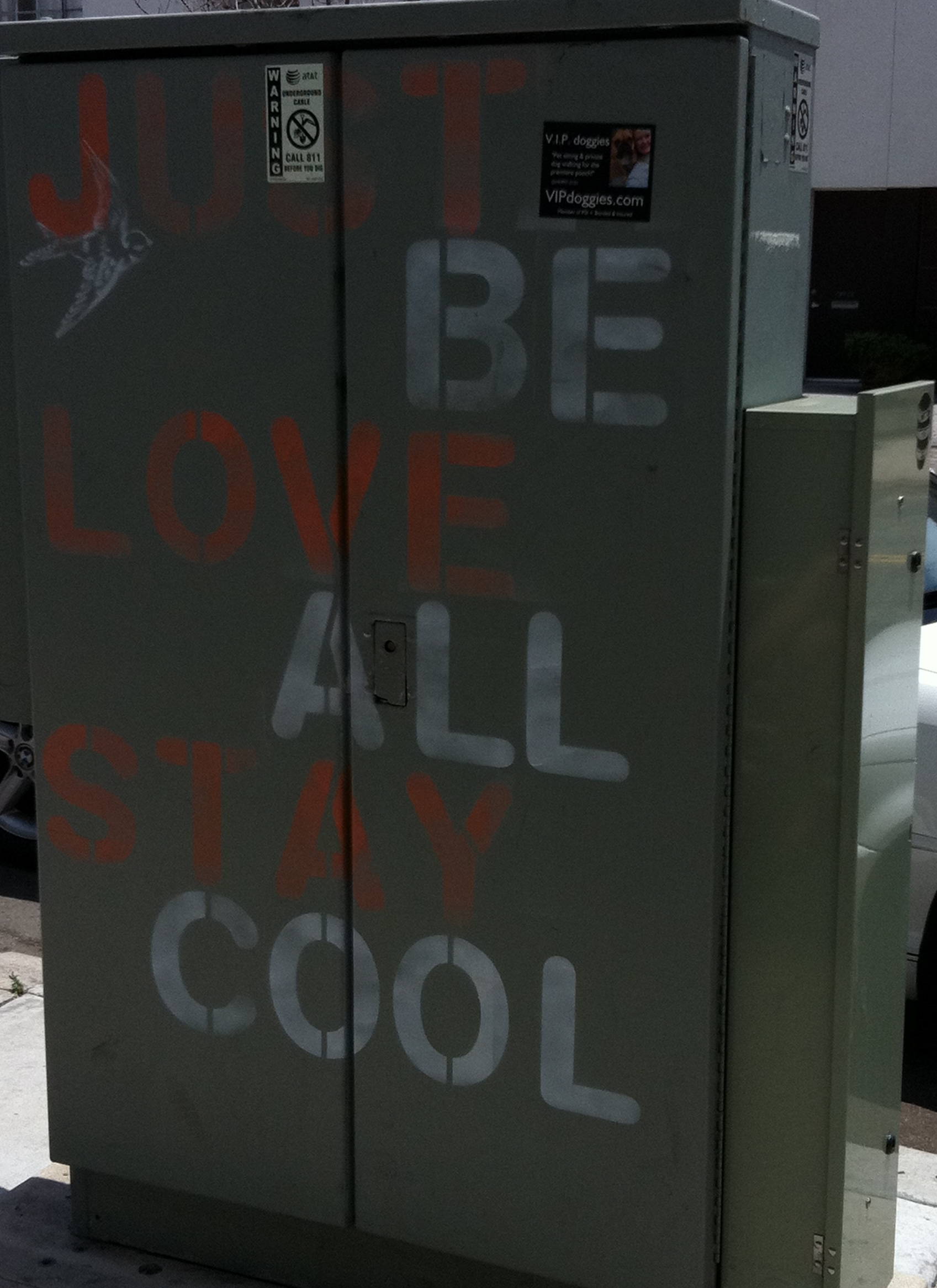
Mr. Yuk + Finance

Do you remember the Mr. Yuk stickers?  At an early age, we were taught not to touch bottles or anything that had the Mr. Yuk sticker.  I can also remember the campaigns for: Stop, Drop, and Roll, D.A.R.E., and MADD.  Yet, what I do not remember was ever learning about personal finance. I was set for poison, drugs, drinking and driving, and fires.  However, I never learned the basics for spending and saving money in my everyday life.

Over the past few years I have become a Suze Orman fan.  I like her sassy style and her direct and to-the-point message.  I was not always so interested in money advice and information (just in collecting Mr. Yuk stickers).  I learned much of what I now know because I was put in situations where I had to learn quickly or the hard way.  Now I like to try to learn and understand things before I am put in such situations.  What I’ve always wondered though, is why money is such a taboo topic. Discussions about money are met with discomfort by others.  We do not discuss our personal salary, our adjusted gross income, our interest income, or total household wealth.  Now, I am not encouraging you to go out and do so.   What I am hoping, is that personal finance is something that is more prevalent in our everyday discussions.

When you find a great sale or an amazing find, you tell your friends and family, right?  Do you do the same when you learn about an excellent ETF (Exchange Traded Fund)?  I’ve always been baffled that I was taught how to cook in Home Economics, but I was never taught how to balance a checkbook, what an APR on a credit card meant, and how important a credit score was on purchasing a house, a car, and now even finding a job.

If we do not teach the ramifications of avoiding our bills, or what happens when we default on a credit card, then how can we live in society and be responsible for our obligations?  Yet, we are taught early on how to sew and make chocolate chip cookies (or depending on the school how to saw wood, or hammer a nail).  These types of money discussions should be happening with children early on in life.  Children should understand that charging items on a credit card means that at the end of the month they should be able to pay for their purchase.

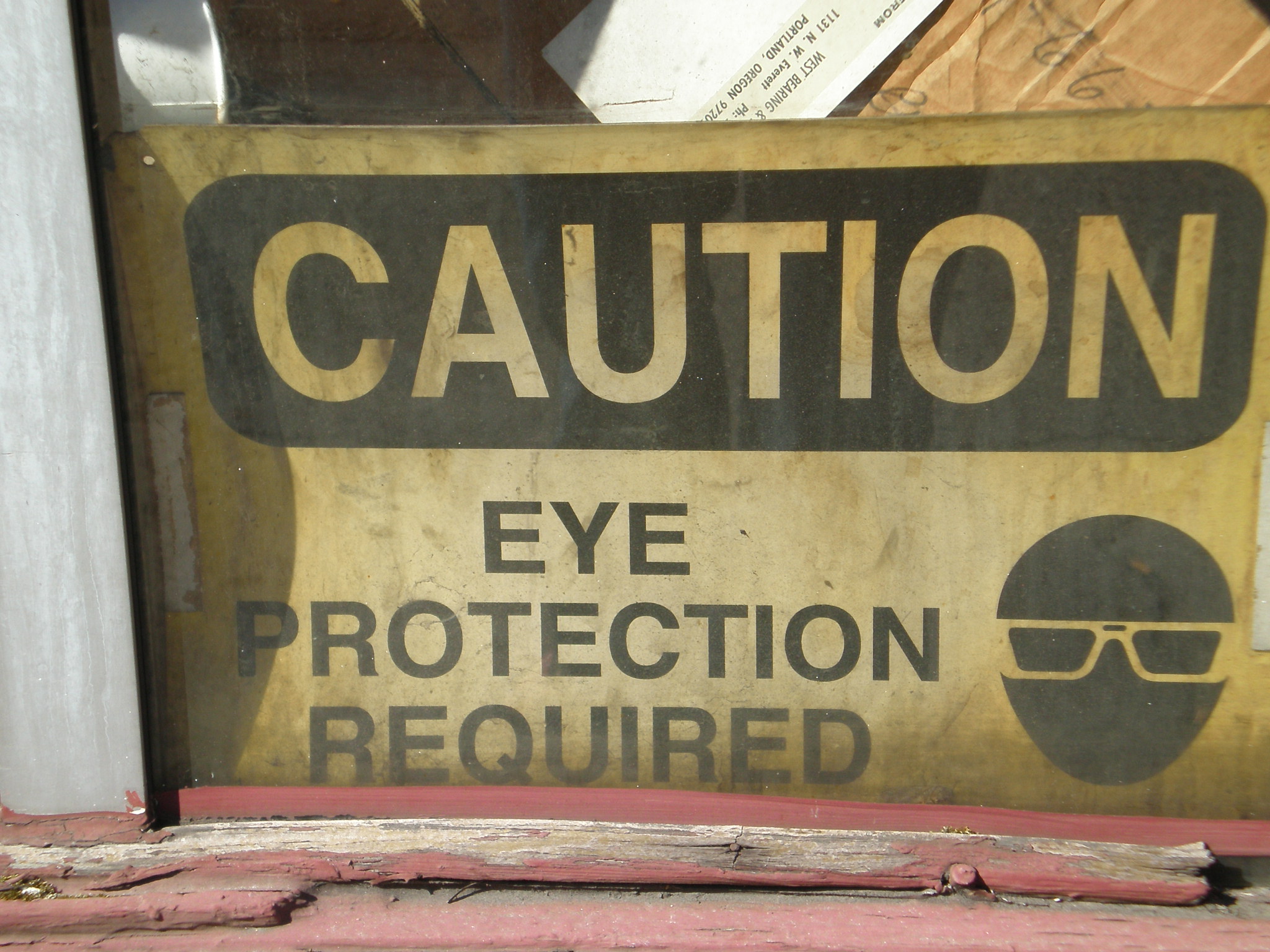
Maybe this is all a factor in why our nation is in such the mess it is in?  Is more education needed for both adults and youth about the importance of money conversations in our lives?  I know I can benefit from continuing to learn about personal finance and how I can better set up my retirement. Should we all proceed with more caution and resolve to be more open and honest with ourselves and others about finance?  No eye protection or Mr. Yuk stickers required.
Happy conversing!

Girls Like Us

I’m in the middle of reading the book: “Girls Like Us: Fighting for a World Where Girls Are Not for Sale, an Activist Finds Her Calling and Heals Herself” by Rachel Lloyd.  As soon I started reading the book, I knew I wanted to write about it.  I’m not finished with the book, but for some reason I have an extreme urgency to write about it today.  Today, the national “observed” holiday in honor of the birthday of Martin Luther King, Jr., I sit in awe of what Dr. King stood for and did for our country.

Except today I am saddened.  You see this book is not on a topic that any of us probably want to talk about over dinner, on a plane, or over the phone with a good friend.  It is not a happy book. Except the thing is, you have to read it.  It’s about the sexual exploitation of our children right here in America.  Not some other country far, far away, but here in your backyard.

The section I was just reading was talking about how sexual exploitation often happens in poverty stricken communities, sometimes where drugs are involved and often to those in group homes or in the system.  It happens when at some point in a girl’s life someone stops caring, stops loving, or someone stops being responsible for the child.  The reason this is hitting me so strongly today is because the author just discussed how much this effects children of color.  She discusses how a large percentage of sexual exploited children are children of color and that many in our society look the other way.  The “many” being judges, jurors, law enforcement officers, lawyers, etc.  The author also sites statistics of how the news media willingly shows situations nationally about white, middle class girls that have been sexually exploited, but leaves out the coverage of children of color.  You can find an example that the author shares in this New York Times article.  Why is this?

We can no longer look the other way.

So in honor of Dr. King’s birthday, put this book on your reading list.  Please, please read this book.  I am about halfway through and so far it is not at all graphic, so the part that is difficult to read has more to do with how this is happening in my city and your city.  The hard part is that it is happening at all.

10 things that make me feel alive…

Today was a “third alarm” morning.  I could not get my eyes to open.  As soon as I was able to open my eyes, I saw the sun shining (YAY for sun in Portland!), and the day just felt chock full of goodness.  Someone recently asked me what makes me feel “ALIVE.”  Today felt like the right day to make my list (in no particular order – except for #1).
  1. Waking up next to my husband everyday
  2. Family and friends
  3. Being present, in the NOW
  4. Reading a good book
  5. Creativity (painting, pottery, writing, knitting…recently Photoshop)
  6. Laughter
  7. New adventures and opportunities
  8. A good hard run
  9. Health
  10. Traveling to a new place

Even on those “third alarm” days we can still jump out of bed, enjoy the sunshine, and be ALIVE with gratitude.

Boat in San Francisco

I’m off to go dabble in watercolor.  What makes you feel ALIVE?

why we can all disconnect…

I had not gone on vacation for over 8.5 years where I was not connected to work in some way. Since I was no longer working over this past Christmas holiday, I had the opportunity to disconnect for the first time.  I did not get on the Internet, Facebook, etc., and only used my phone to connect with family that I was away from on the holiday.  At one point my father-in-law asked me if I had come up with any brilliant ideas or brainstorms for my future, and my response was: “No.  My thoughts are absolute mush, and I’m in lala land, and I love it.”

If there is a book to read in 2012 it is: “The Winter of Our Disconnect: How Three Totally Wired Teenagers (and a Mother Who Slept with Her iPhone) Pulled the Plug on Their Technology and Lived to Tell the Tale” by Susan Maushart.  She lives in Australia with her three teenagers, and decides to go for an entire year without technology in their house.  If you are like Susan and go to the bathroom with your iPhone and/or sleep with your iPhone, then this book might be for you.  For this family, the only way they can be connected to the Internet (for homework or her work) is to go somewhere else, such as the library or a friend’s house.  The transformation of her kids and their family life is inspiring to watch.  I would like to know how they are coping once they got back into life with technology.  Did what they learned and experienced that year stay with them, or did they go back to sleeping with their iPhone(s)?

We all need to disconnect more from our phones, email, Facebook, Twitter, TVs computers, and video games.  As Susan shares in her book, doing so means we will experience more of our real lives, connecting with our loved ones, playing more games, musical instruments, cooking, and enjoying life more fully each day.  I encourage you to take the time to read Susan’s book.  It will inspire you to see how technology might be impacting your life.

If you are not able to disconnect so easily because of your Jetson crazy life, then try going a day a week where you are technology free.

Beautiful sunset while in la la land...

releasing resentment

I subscribe to a daily newsletter called: Daily Om. Yesterday’s email was on the topic of releasing resentment.  Recently I was laid off from my job and have been asked numerous times if I resent the situation I was in.  There are times I have felt that way, and there are times when I have felt extremely grateful to be in this new experience and adventure.  I have bolded below what I have been especially pondering today.

“Hanging onto resentment in our hearts does not serve us in any way. Successfully divesting ourselves of resentful feelings can be difficult, however, because doing so forces us to mentally and emotionally confront the original source of anger. When we cease assigning blame, we realize that our need to hold someone or something responsible for our feelings has harmed us. We thought we were coping with our hurt when in fact we were holding onto that hurt with a vice grip. To release resentment, we must shift our attention from those we resent back toward ourselves by thinking of our own needs.”

You can read the full newsletter here: Daily Om 1/10/12.

So can we stop thinking about what has been done to us, and start looking at what we need to do for ourselves?  Are you holding any resentment today?  Have you been holding resentment for someone for a while?  If so, take time out to shift your attention so you can move forward.

Time to go for a nice long run resentment-free!